[Easy English Blog] Green tea

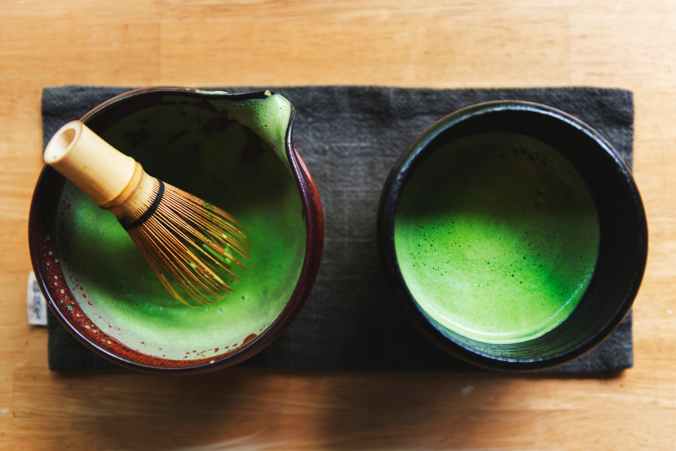
two round ceramic pots

Photo by rawpixel.com on Pexels.com

I love green tea (matcha). When I first came to Japan, I didn’t like it. But over the years, I have grown to love it. I have a matcha bowl and a tea whisk in my house, so I can make my own tea. Of course, the tea I make tastes completely different from the tea we can drink at tea ceremonies. The area of Japan where I live is famous for green tea and Japanese sweets, so I have taken part (taken part = participated) in tea ceremonies many times.

I remember when I first came to Japan, and I saw an ice cream vending machine. At that time, I couldn’t read Japanese, and I wanted a mint ice cream. So I selected the green-coloured one. It was green tea! I was so disappointed and I threw it away! But now, I love green tea ice cream. If I have a choice between green tea and other flavours, I usually choose green tea.

When I don’t have time to prepare matcha, I use teabags. My favourite is Oi Ocha. There is a haiku poem on every teabag packet. I enjoy reading the haiku while I’m waiting for the kettle to boil.

Writing about green tea makes me want to drink it! I’m going to make myself a cup now. 🙂

[Easy English Blog]Writing poetry

fire and ice by robert frost

Photo by Ayat Zaheer on Pexels.com

I love poetry. I enjoy reading and writing it. One of my favourite poets is Rainer Maria Rilke. I can’t read German (although I studied it at school), so I have to read translations of his poetry. The translations are beautiful, so I can imagine that the original German is also beautiful.

I also like Japanese poetry, especially haiku and tanka. I have a book about how to write haiku in Japanese. It has a list of seasonal words in it. I learned a lot of Japanese vocabulary from the book, and I read many examples of Japanese haiku. I have tried to write my own, but they are not very good. When I read them to my Japanese friends, their reaction is usually “Hmm….”

So, I write more poetry in English than I do in Japanese. I sometimes write haiku in English, and I sometimes write traditional English poetry, but I prefer to write freely. I pick up ideas for poems everywhere. Sometimes, my poems come from a line in a song, or a conversation, or from a scene. Somtimes, the poem just appears in my head!

I sent some of my poems to poetry journals a few years ago. Unfortunately, the journals didn’t want my poems! They weren’t good enough. 😦

I guess I have to practice and study more.


[Short Story] The life of a tree

flight landscape nature sky

Photo by Pixabay on Pexels.com

Simone’s house is very old. Her grandfather built the house when he was a young man. When the house was finished, Simone’s grandfather asked a girl from his village to marry him.

Simone’s father grew up in this house. Many years later, Simone came to live in this little old house.

Simone has a wonderful tree in her garden. It is a camellia. Her grandfather planted it. So it is more than 60 years old. Every year, at the end of winter, it is covered in beautiful pink flowers.

But one year, the weather is very bad. The wind is very strong. The old tree falls down. It is lying on the ground. Simone is very sad. She feels empty.

The camellia was a memory of my family, and now it is gone.

Simone is in the garden. She is looking at the dead tree. She is crying.

“Excuse me”.

Simone is surprised. There is an old man in her garden. She didn’t see him come into the garden.

“What! Who are you?”

“I was a friend of your father. I remember this house. I came here to play when I was a young boy. Why are you sad?”

Simone shows the old man the tree. “My grandfather planted this tree. And now it is dead.”

The old man laughs. “Dead? Why do you think this tree is dead?”

Simone thinks the old man is crazy. “It fell down! There will be no more flowers. It is only a memory.”

The old man smiles. “I am in this village to visit my grandson. I am tired. Can we sit down? Can you give me a cup of tea?”

“Oh, sorry. Of course. Please come into the house.”

“No. I like to be outside. Can you bring me a cup of tea here?”

Simone points to a table and chairs in the garden.

“Please sit there,” says Simone.

The old man sits down. Simone goes into the house and makes tea. She carries the tea out to the garden.

She gives the old man a cup of tea. Simone has a cup of tea too. They sit in the garden, but Simone is not happy. They can see the dead tree. She is very sad.

The old man drinks his tea. Then he asks, “What will you do with this tree?”

“I don’t know,” says Simone. “Maybe I will pay some men to take the dead tree away.”

“Oh,” says the old man. “What will the men do with the tree?”

“I don’t know,” says Simone.

The old man smiles.

“I think you should pay some men to come and cut the tree up into firewood.”

“But I don’t have a fireplace.”

“That’s OK. I’m sure you can find some people who need firewood. Maybe some people who have no money and are cold this winter. You should cut all the leaves and small branches up very small and put them on your garden. They will stop weeds from growing. In time they will break down and feed the earth. The earth gave you that tree, so you should give something back. And finally.” The old man stops talking.

“Finally?” asks Simone. “What is the last thing I should do?”

“The old man laughs. “Plant another tree of course!”

He stands up. “I must go now,” he says. “But remember. Nature is a circle. Trees grow and die. New trees grow. This is normal. You should be happy because your tree was beautiful, you have good memories.  And now this old dead tree will help you do some good in the world.”
[Easy English Blog]No TV

turned on flat screen smart television ahead

Photo by Lisa Fotios on Pexels.com

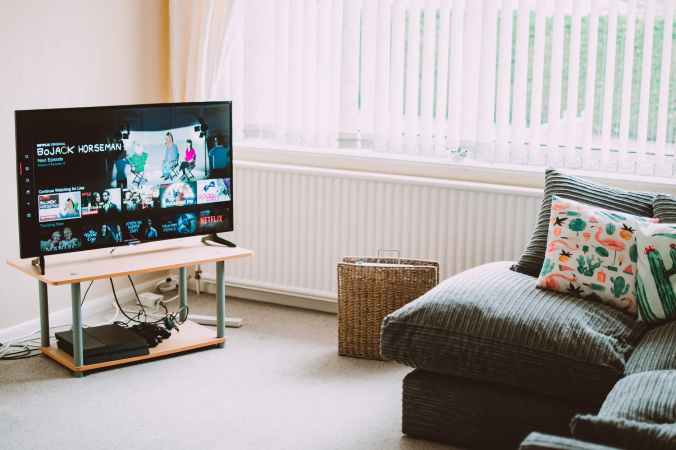
I don’t have a TV. I haven’t had a TV for around 10 years. I don’t miss it. When I had a TV, I would leave it on while I did other things. The house was always noisy. When I got rid of my TV, my house became quiet. After work, instead of watching TV, I read books, or listen to music. I feel much more relaxed than before.

People ask me, “But what about the news? How do you keep up-to-date with what’s happening in the world?”

I tell them that I get my news from the Internet. If I want to watch news programmes, I can watch them live on YouTube. Many channels have a live stream. I can also read newspapers online. I have never been interested in watching dramas or other TV shows, so I don’t miss the TV.

I don’t think I will ever buy another TV. I am quite happy with my books, music and Internet!

Heather @ I Talk You Talk Press

[Easy English Blog]Feeling sleepy

animal cat face close up feline

Photo by Pixabay on Pexels.com

I’ve been feeling sleepy lately. I think it is because of the change of seasons. Although, I spent most of spring feeling sleepy because the weather was warm, then I spent most of summer feeling sleepy because it was so humid, and now I feel sleepy in autumn because the temperature has dropped to a comfortable level. Maybe I am just a sleepy person!

I sleep well at night. I ususally sleep for 8 hours. Even so, by around 2:00pm, I start to feel sleepy, and it is difficult for me to focus on my work. I drink coffee or have a nap (nap = short sleep). I also eat chocolate. This gives me energy. But I know, too much sugar is not good. Maybe I need to exercise more. Maybe that will give me more energy.

For some reason, I feel especially sleepy on Tuesdays. I think most people feel sleepy on Mondays, but I feel energetic and motivated on Mondays. Maybe I feel sleepy on Tuesdays because I use so much energy on Mondays. I don’t know. I’m feeling a little sleepy now. Time for a nap. zzzzz

[Easy English Blog] Reading goals

brown book page

Photo by Wendy van Zyl on Pexels.com

I’ve been thinking about my goals for next year. One of them is to read more books. In particular, I would like to read more Japanese books.

Although I read Japanese every day in my job, and I read Japanese newspapers, I think I should read more. Especially fiction. I have only read three Japanese novels this year. When I read novels, I forget that I am reading, and I enter the world of the book. So when I read in Japanese, I don’t feel like I am studying. I am just absorbing the langauge and the language patterns as I participate in the fictional world.

I usually read books by Matsumoto Seicho, but next year, I’d like to try some different authors. I would like to read something by Naoya Shiga. I would also like to read more books by Yukio Mishima. I have only read two or three of his books, and I enjoyed them (although they were a little difficult). I think I should also read some contemporary novelists too.

Maybe I will start going to the library again. I haven’t been there for many years. It will be cheaper than the book shop!

I wonder, how many books can I read next year? I guess that will depend on how busy I am with work. But I will try to read one in English, then one in Japanese, then one in English, then one in Japanese… I wonder if I can do it?

[Short Story] Young people today

light cars traffic bus

Photo by Negative Space on Pexels.com

Mrs Bateman is sitting on the bus. There are many people on the bus. They are mostly students. They are laughing and shouting.

Mrs Bateman is tired. She is in a very bad mood.

Look at these young people, she thinks. They are noisy. Their clothes are terrible.

She looks at the young woman sitting next to her. The young woman has pink hair. She is wearing jeans and big black boots. Her T-shirt is very short and tight. She has a ring in her nose and many earrings in her ears. The young woman smiles at her. Mrs Bateman looks away.

Her parents must be so ashamed, she thinks. I am sure she is lazy and rude. Young people today are not polite. When we were young, we were polite and well-dressed.

She looks at another young person. This boy has shaved his head. He has many tattoos. He even has tattoos on his head. And that boy! I am sure he is some kind of criminal!

The bus stops. An old man climbs onto the bus. He asks for a ticket. The bus driver says, “Three dollars, please.”

The old man takes out his wallet. He looks in his wallet. “Oh, I don’t have enough money.”

“Then get off the bus,” says the driver. “If you can’t pay, you can’t ride on the bus.”

The old man turns to get off the bus.

“Excuse me,” says the young woman with the pink hair. She stands up and goes to the front of the bus. “I will pay for you,” she says to the old man. She gives $3 to the driver.

“Thank you,” says the old man.

“No trouble,” says the young woman. She goes back to her seat next to Mrs Bateman.

The old man moves along the bus. He is looking for somewhere to sit, but the bus is full.

“Here, Grandad,” says the boy with the tattooed head. He stands up. “Have my seat.”

Well, thinks Mrs Bateman. I have a lot to think about. Young people today look very different, but they are kind.

She smiles at the young woman with the pink hair.

“Your parents should be very proud of you,” she says.

[Easy English Blog] It’s better to be safe than sorry

aston martin automobile automotive car

Photo by Gumzito Leruo on Pexels.com

The other day, my car had its 12-month inspection (12か月点検). The inspection itself is not so expensive, unless they find a problem…

For a few days before the inspection, the warning light in my car had been coming on, and the alarm had been sounding. This only happened when I turned the engine on, and only lasted for about two seconds. But I was worried. So, when I took my car to the inspection place, I asked the mechanic to look into the problem.

He called me a few hours later to say that the problem was the battery. It was old and becoming weak. He recommended I buy a new battery. So I did. The battery was double the cost of the inspection, so I ended up paying more than I expected.

But it’s better to be safe than sorry. (←This is an English proverb!) It’s better to spend the money now, and be safe, than to have trouble later, when I’m driving on the highway, or am far away from my home.

Cars are expensive to buy, and they cost money to maintain. I suppose this is the price we pay for convenience.


[Easy English Blog] Living near the sea

DSC07387

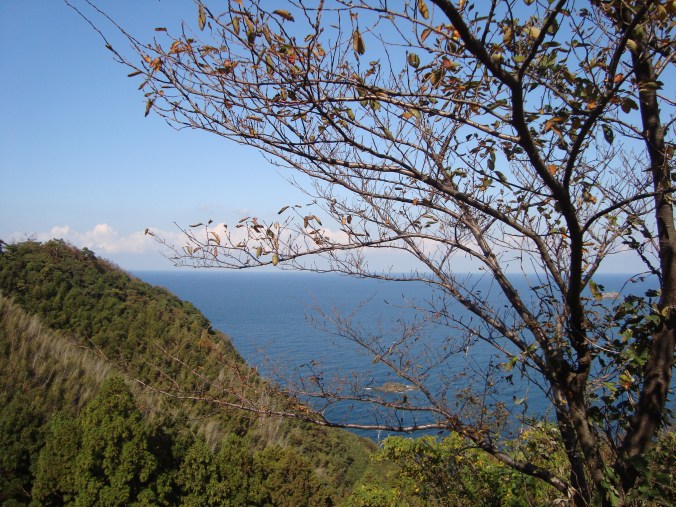
I live near the sea. It is about a 20-minute drive from my house to the sea. I feel that I am lucky to live so close to it. Many people visit the beach and the sea in summer, but I don’t. I like to visit the sea in spring or autumn. Sometimes, I go in winter. The wind is fresh, and there are no other people around.

DSC07400

When I was a child, I went to the beach every summer. My family and I went on holiday to the seaside for two weeks every August. The beach was always packed (packed = crowded) with other families. I used to make sand castles and go paddling (walking in the shallow water) in the sea.

DSC07407

Now, I drive to the sea, park my car, and enjoy listening to the sound of the sea and breathing the fresh sea air. Sometimes I write poetry. I think that being near the sea makes me more creative. Maybe it is the rhythm of the waves, or maybe it is the beautiful views, but when I go to the sea, I feel like I want to write.

DSC07408

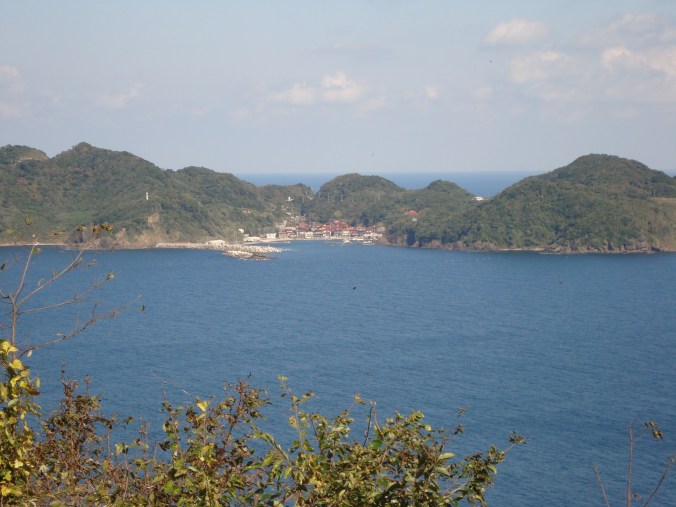
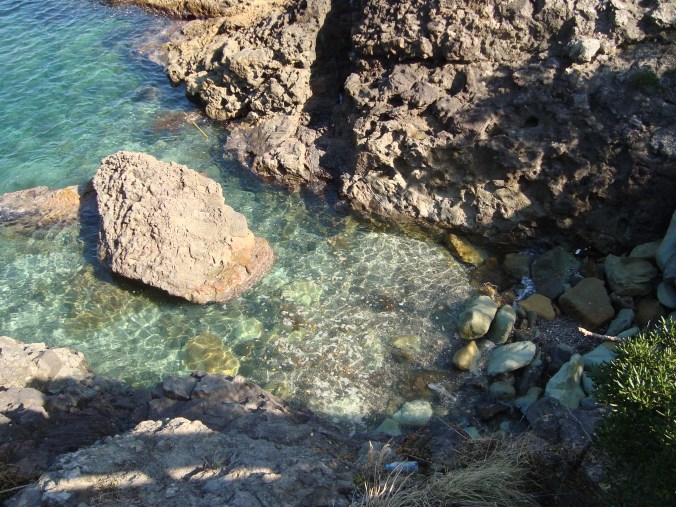
Last November, I went for a drive by the sea. The photographs on this page are from then.

When is your favourite time to go to the sea?

Heather @ I Talk You Talk Press

[Easy English Blog] How I learned Japanese

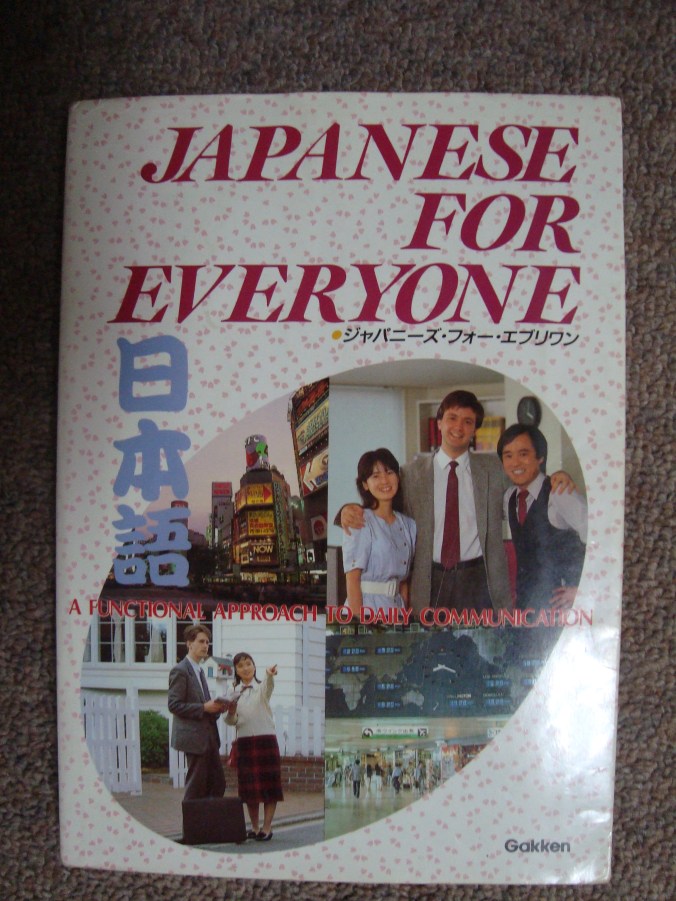
When I started learning Japanese 18 years ago, I didn’t have a computer. There were no apps, or language learning websites. I studied the “old way”. I started with a textbook called Japanese for Everyone.

Here it is. It was published in 1990.

DSC07706

It was a good book. It was easy to understand and I enjoyed the exercises. At the time, I wanted to take the Japanese Langauge Proficiency Test (JLPT) (日本語能力試験). My goal was 1st grade. So, I bought textbooks for 4th grade, then 3rd grade, then 2nd grade and then 1st grade. I passed 1st grade in 2003 after studying for three years.

I also used books called Basic Kanji and Intermediate Kanji. I wanted to be a translator, so reading and writing was important for me. I started to read children’s books, manga and newspapers. I read every day. Of course, I didn’t understand everything, but reading helped me so much.

At the time, I was teaching English at a language school. I studied for three hours every night after work, and for eight hours on my days off. I always went to the library to study. It was quiet, and I could concentrate.

I was also lucky because I had nice Japanese friends. They would let me practice conversation with them, and help me when I didn’t understand some things. I think that conversation practice is very important. When I spoke to my friends, I tried to use the new words I had learned from my textbook. This helped me to remember the words.

For listening, I used to listen to CDs while I slept! I put a Japanese CD in my portable CD player, and played the CD all night while I was sleeping. Sometimes, I left the TV on while I slept. Did this help? I don’t know, but I got a good score on the listening section of the 1st grade test.

Now, I study other languages, but I don’t make much progress. I think my motivation level is different. I live in Japan, so I need to speak Japanese. Motivation is so important when learning a language.

I continue to study Japanese. I am a translator, so I read Japanese every day. I also read Japanese novels and non-fiction books for fun. I said before that I like Matsumoto Seicho. I also like Nakamura Tempu. I have read most of his books. There are still kanji and words I don’t know. Studying a language is a lifelong hobby!

How do you study languages?

Heather@ I Talk You Talk Press