[Easy English Blog] Books and movies

book

A few years ago, I read the book called Life of Pi . A friend gave it to me. I don’t think I would have bought it for myself. A book about a boy on a boat with a tiger, would have seemed rather strange. However, when I read it, I enjoyed it very much.

Have you read the book? The story is told by Pi, the hero. When he was still a teenager, his father had a zoo in Pondicherry, India.  His father decided to move to Canada. He sold the animals from the zoo to different countries. When Pi and his family, leave India, they travel on the same ship as some of the animals from the zoo. The boat sinks and Pi escapes on a small lifeboat with a hyena, a zebra and an orangutan. Later Pi discovers that there is also a tiger hiding on the lifeboat.  It’s a very interesting story. I won’t tell you any more because you might want to read it.

Then in 2012, the famous movie director Ang Lee, made a movie from the story. It did very well in the American Academy awards. Ang Lee won the Oscar for best director and the movie also got the top prizes for cinematography, visual effects and music. I think it must be a very beautiful movie, but I don’t know if I want to see it. Sometimes when you like a book very much, the movie version of the story is disappointing.

I think there are two reasons. One reason is because we enjoy some parts of a book, more than others. Then, when they make the movie, they have to cut many parts of the book out. If they leave out our favourite bits – we feel disappointed.

Another reason is because we create an image in our minds of what different characters look like. If the actor or actress doesn’t match our image, the movie doesn’t seem so good. I remember thinking that Cate Blanchett didn’t look like Galadriel in the Lord of the Rings movies.  Of course, she is very beautiful, but my image of the Queen of the Elves was different.

Have you seen a movie based on a book, after you have read the book?

What did you think? Did you think the actors and actresses matched your mental images of their characters?

(P)

[Easy English Blog] Umami

umami

I learned a new word in Japan – umami.  This is the fifth taste. So the taste list should be sweet, sour, salty, bitter or umami. When I learnt this word, I thought it wasn’t used very much. But when I Googled ‘umami’, it got almost 7.5million hits!

Umami is defined in English as a pleasant savoury taste. It is different from salty. A lot of daily Japanese foods contain high umami ingredients – like dashi (Japanese soup stock). Dashi is made from kombu seaweed and dried bonito flakes. Both if these ingredients have high umami.

It seems that the best chefs have always understood umami, even if they didn’t know what it was. These chefs knew that if you put certain food combinations  together, the result was very tasty. So that’s umami, which can be translated as “delicious taste”.

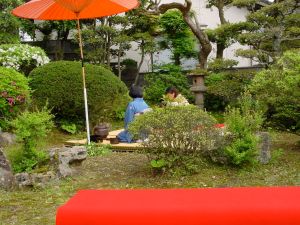
Drinking tea in Japan can be an experience for all the senses.

tea

When we drink Japanese green tea we are supposed to use our five senses:

Look at the colour of the tea and the tea bowl.

Listen to the sound of the water being poured.

Smell the aroma of the tea.

Touch – enjoy the texture of the tea bowl.

And taste – no surprise that correctly brewed green tea is umami!

(P)

[Easy English Blog] Smells

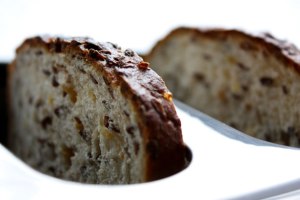
I burnt my toast this morning. I opened the windows, but the smell stayed in the kitchen for ages.  That started me thinking about smells.

toast-3312803433996SjZ

People have five senses – sense of sight, touch, hearing, taste and smell. Our sense of smell is much more sensitive than our sense of taste. That’s why, when we have a cold and can’t smell anything, the food we eat doesn’t seem very interesting.

Our sense of taste only tells us whether something is sweet, or sour (like lemons), salty, or bitter. Coffee and unsweetened chocolate are bitter.

1-1225652161wZKZ

But smell is so much more. Even if I am tired and don’t feel hungry, the smell of onions frying in butter, or the smell of cheese on toast, will wake up my appetite.

For most people, smells connect strongly with memory.  Can you remember the smell of your classroom in elementary school? I can’t, but I am sure if I smelt that particular smell again – I would recognize it.

Being a words person, I started thinking about the different words we use in English for smell. Another word that has the same meaning as smell is odour.

Then there are positive words like aroma, bouquet, perfume, scent, fragrance; and negative ones like stink, reek and pong.

Words like perfume and scent are used mostly for flowers, while aroma is used for food and coffee. Bouquet is a word used to describe the fragrance of wine.

flowers

In another blog post, I’m going to write about a new “taste” word I learned – umami.

In your language do you have many different words for smell?

Are there some food aromas that wake up your appetite?

What smell memories do you have?

(P)

[Easy English Blog] Do you have a head for heights?

Do you have “a head for heights”?

Tokyo Tower

If you have “a head for heights”, it means that you are not afraid of high places. You can stand on the top floor of high buildings or at the top of towers and you don’t feel any fear.

Some people are afraid of heights. This fear is called “acrophobia”. (Pronunciation:ˌakrəˈfōbēə)  These people don’t have a head for heights.

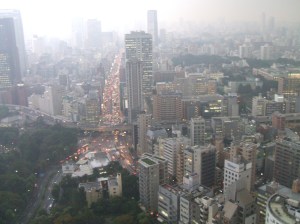
A while ago, I went to Tokyo Tower. It is 333m tall. Luckily, I have a head for heights, so I wasn’t afraid. However, it was a very stormy day, and the tower was swaying in the wind. That was a little scary!

Tokyo Tower 1

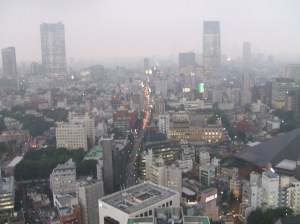
It was raining and cloudy, so I couldn’t see very far into the distance, but the views were still amazing!

Tokyo Tower 2

Tokyo Tower 3

(H)

[Easy English Blog] Spring and summer clothes

Well it’s a lovely day today. Sunny, and the weather forecast predicts a maximum temperature of 19 degrees.

050


Of course we will get some cooler days, but spring is almost here. Time to start thinking about spring and summer clothes.

I don’t have much space in my room to store clothes, so I put the clothes I’m not wearing away in boxes.

Then when the seasons change I have to take out the boxes and swap the clothes over. This is a good time to throw away old clothes and think about new ones.

Spring and summer are seasons for bright colours, aren’t they?  The fashion sites on the web predict lemon yellows, orange (a colour I never wear), greens and grey-blues.

Spring and summer are the time to have fun with clothes. T-shirts are quite cheap, and one in the latest colour will brighten up last year’s jeans and sandals.

I started to think about my favourite summer colours. Not many of them appear on the fashion sites for this summer. I don’t care. I put my favourite colours together in the picture below. What would I call them?

colours

Maybe aqua, sky blue, turquoise, cobalt blue, teal, scarlet, bright pink and coral.

What colours do you like to wear in summer?

(P)

[Easy English Blog] Spring is coming!

If you live in the Northern Hemisphere*, you will soon be welcoming spring.

In our city, the days are getting warmer. Around mid-day, we don’t need to wear a warm, winter coat outside. Just a jacket is enough.  When we are driving, we can open the car windows and enjoy the warm  breeze too.

The days are also getting longer. It stays light until around 6:30pm. The evenings are still chilly* though. We will have to wait a few more weeks for the evenings to get warmer.

March

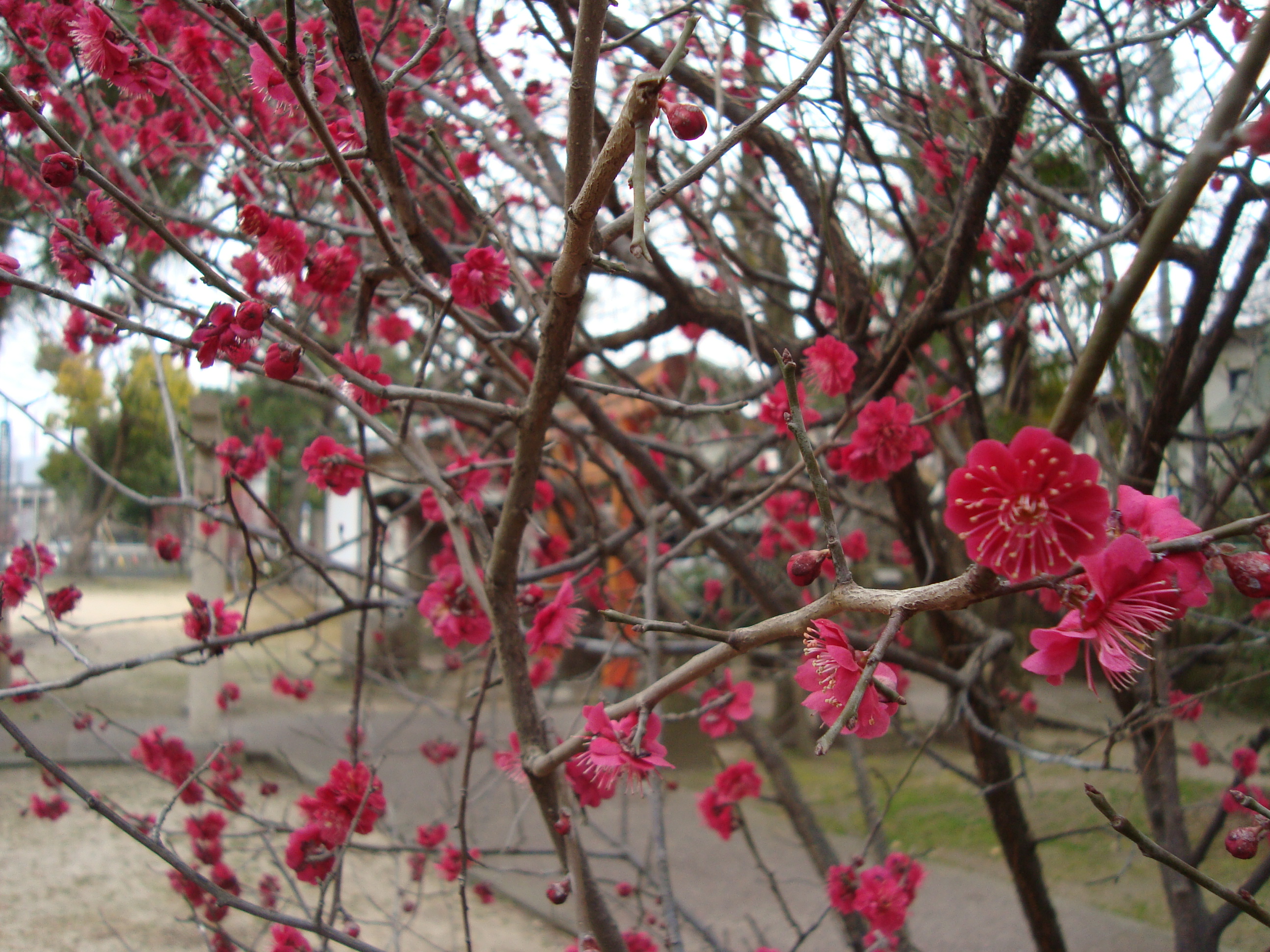
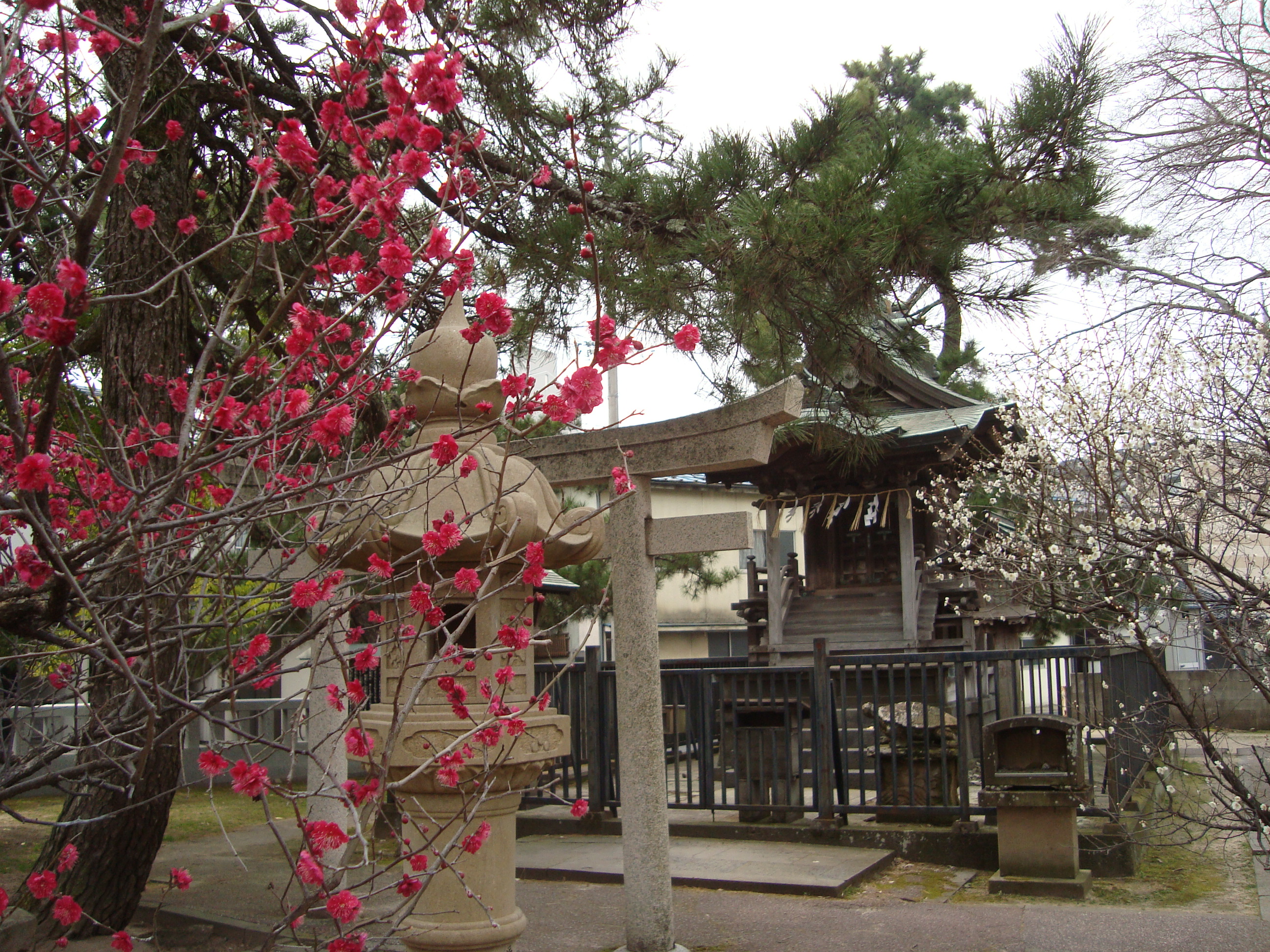
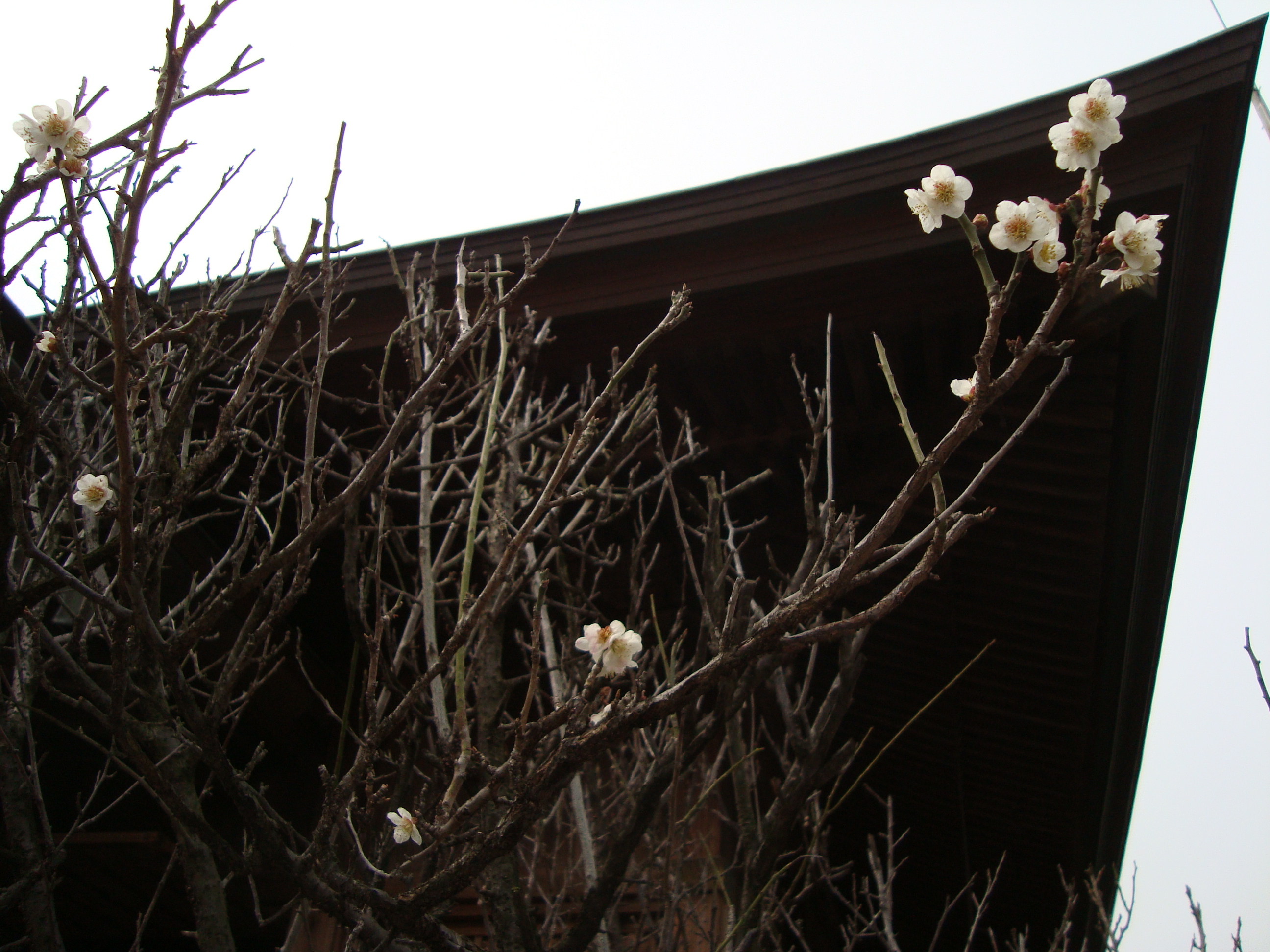
The plum blossoms near our office are in bloom, and buds are starting to appear on other trees too. Although Japanese plum blossoms are not as famous as cherry blossoms, they are just as beautiful, and have a sweet fragrance.

Ume1

These photographs were taken at our local Tenjin Shrine. Most of the Tenjin shrines in Japan have plum blossom trees in their grounds.

ume2

ume3

How about your town or city? Will it soon be spring, or will it soon be autumn? What signs of spring or autumn can you see in your town? 🙂

—–

Vocabulary

*Northern Hemisphere = northern part of the world

*chilly = a little cold

(H)

[Easy English Blog] Welcome

Welcome to the I Talk You Talk Press easy English blog!

logo5841422_lg

This blog is for learners of English (EFL).

We blog about many different topics all in easy English. We hope this blog helps you to study English.

I Talk You Talk Press is based in Japan, so some of our posts are about life in Japan.

File

Some posts are about studying and reading…

Literature

Some posts are about travel…

Paris

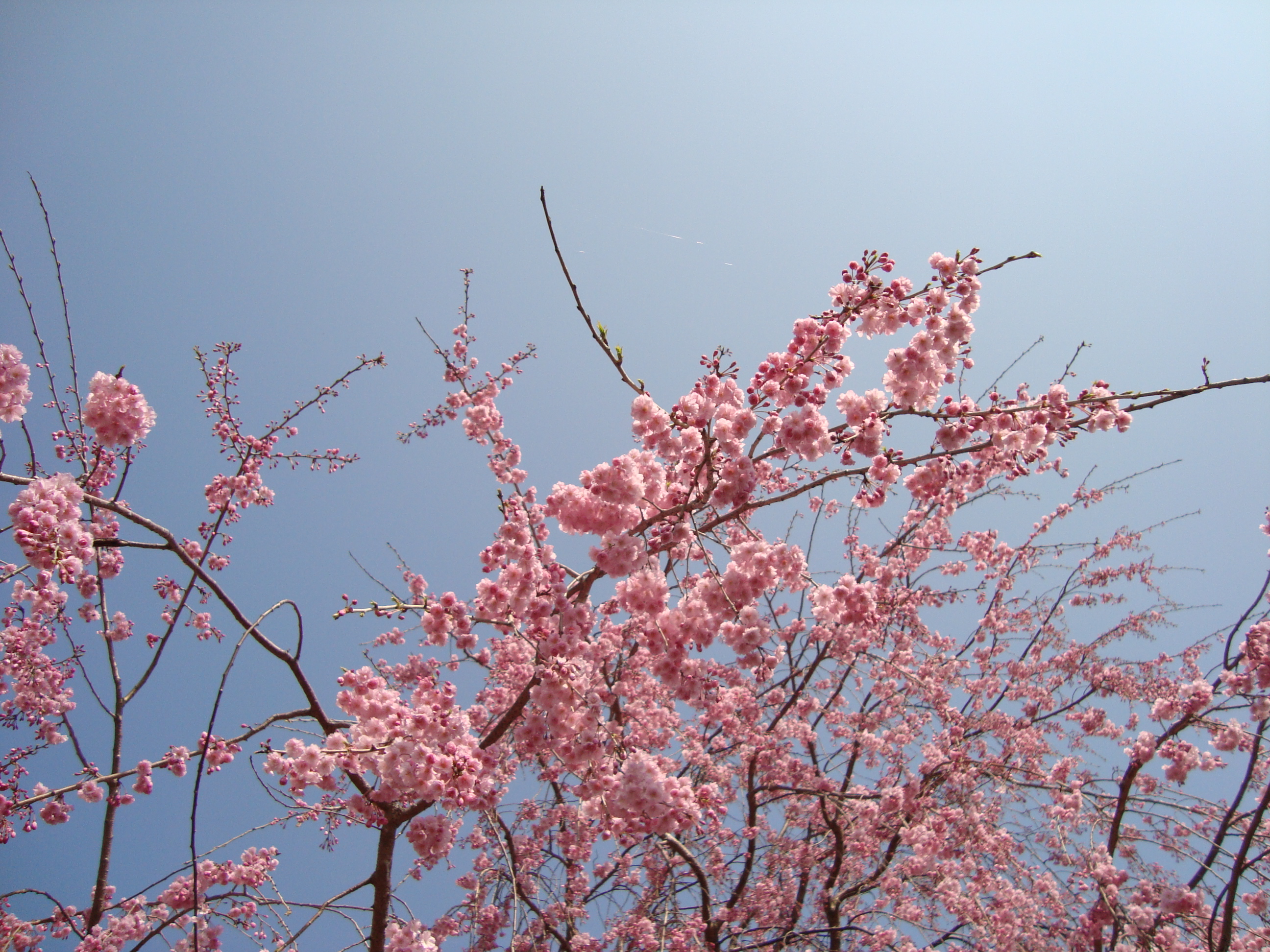
Some posts are about nature…

cherry

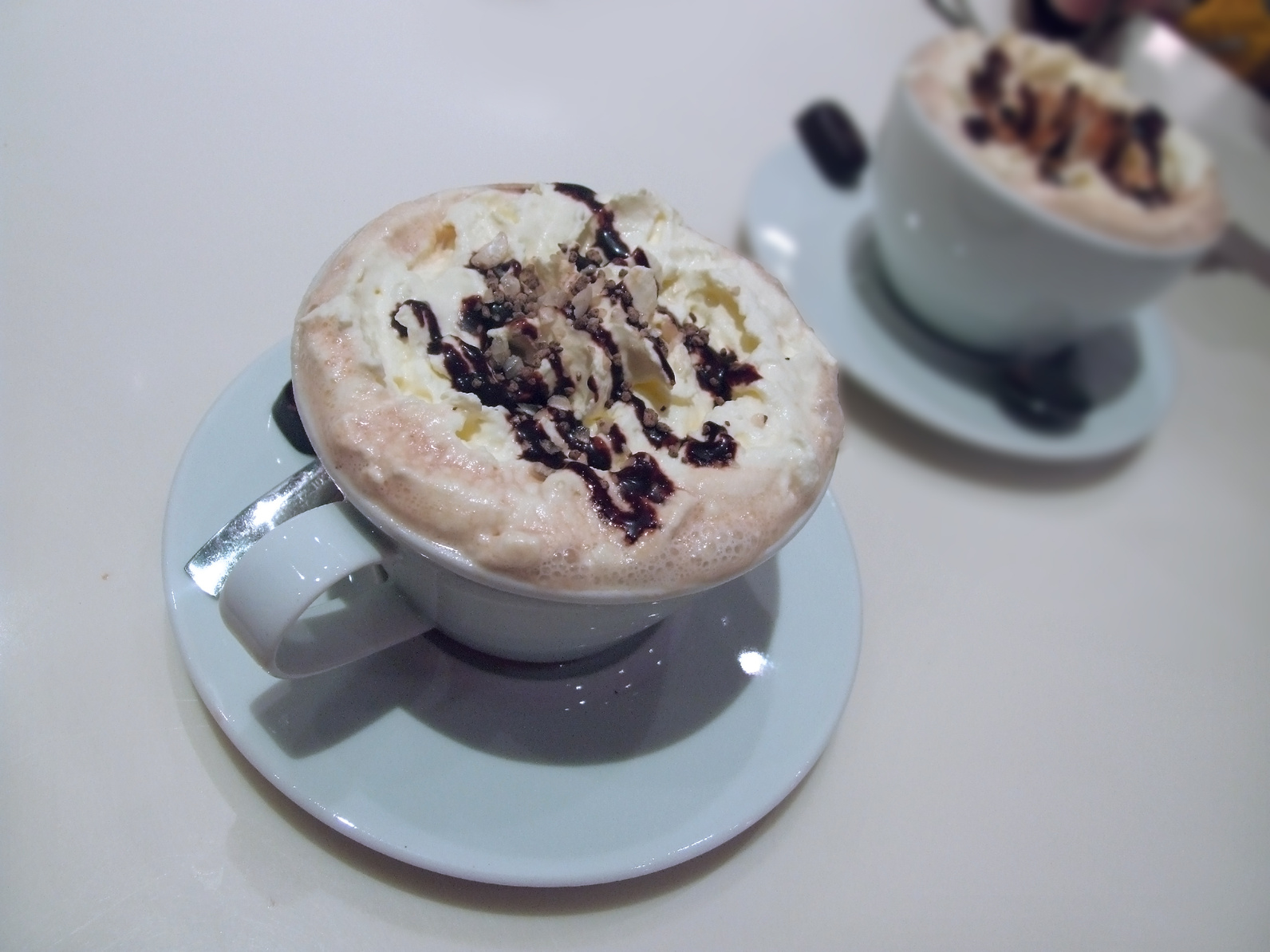
Some posts are about food and drink…

Hot chocolate, please!

And many other topics!

We hope you enjoy our easy English blog, and we look forward to communicating with you! 🙂