to be crazy about ~

to be crazy about ~ (to love/to like very much)

*This is a casual expression. (to be mad about ~ is also used.)

Eg 1:

A: Look! This restaurant has strawberries and cream! I’m crazy about strawberries and cream!

B: So am I! Let’s order some!

Eg 2:

A: How is Peter? I haven’t seen him for a while.

B: He’s fine, but he is crazy about a girl in his class. When we meet, he talks about her all the time!

—–

What are you crazy about?

to hand out / a handout

to hand out (to distribute)

a handout (something that has been distributed)

Eg 1:

A: Where did you get that pamphlet?

B: Someone was handing them out in the centre of town.

Eg 2:

A: How many handouts did you get in class yesterday?

B: We got about ten. The teacher handed out five at the start of class and five at the end.

—–

Can you make a sentence using “hand out”?

to hand in

to hand in (to submit)

Eg 1:

A: Have you handed in your homework yet?

B: No, I haven’t. We don’t have to hand it in until next month, right?

Eg 2:

A: I found a wallet on the train, so I handed it in at the lost property office.

B: I’m sure the person who dropped it will be very grateful.

—–

Can you make a sentence using “hand in”?

now and then / once in a while / from time to time

(every) now and then / (every) once in a while / from time to time (occasionally)

Eg 1:

A: Do you see Eddie often?

B: I see him (every) now and then when he comes to visit his family.

Eg 2:

A: How often do you go on holiday?

B: I go (every) once in a while. Not as often as I would like!

Eg 3:

A: What did you do at the weekend?

B: I went to the cinema. It’s nice to get out from time to time. Unfortunately I don’t have much chance to do so lately.

——

Can you make a sentence using “now and then” / “once in a while” / “from time to time”?


by oneself / on one’s own

by oneself / on one’s own (alone)

Eg 1:

A: Who did you go to the concert with?

B: No-one. I went by myself.

Eg 2:

A: Did you take Jason to the station this morning?

B: No, he went on his own.

Eg 3:

A: Do you live by yourself?

B: Yes, I’ve been living on my own for five years now.

—–

Can you make a sentence using “by oneself” or “on one’s own”?

up-to-date / out-of-date

up-to-date (modern, recent)

out-of-date (old-fashioned, not modern, not valid)

Eg 1:

A: That company’s website hasn’t been updated for a long time, so the information is out-of-date.

B: I know. I can’t find any up-to-date information on their products anywhere!

Eg 2:

A: My passport is out-of-date. I’ll need to renew it before we go on holiday.

B: Don’t forget, you will need an up-to-date photograph.

—–

Can you make a sentence using “up-to-date” or “out-of-date”?

to put off

to put off (to postpone / to delay)

Eg 1:

A: I heard the concert has been put off until next month.

B: Yes, I heard that too. I wonder why it has been put off.

A: I think it’s because they haven’t sold enough tickets.

Eg 2:

A: I need to go and see a dentist, but I keep putting it off because I know it is going to hurt!

B: The longer you put it off, the worse it will get! You should go as soon as you can!

——

Can you make a sentence using “put off”?

to put out

to put out (to extinguish)

Eg 1:

A: Excuse me sir, would you mind putting out your cigarette? This is a no-smoking area.

B: Oh, I’m sorry, I didn’t realize.

Eg 2:

A: There was a fire in the town centre last night. Luckily, the fire brigade put it out in a few minutes.

B: Yes, they did well to put it out so quickly.

—–

Can you make a sentence using “put out”?

on purpose or by accident?

on purpose (deliberately) <—> by accident (accidentally)

On purpose is used when someone deliberately does something that is bad or unfair.

By accident is used when someone does something accidentally, or without intention.

Eg:

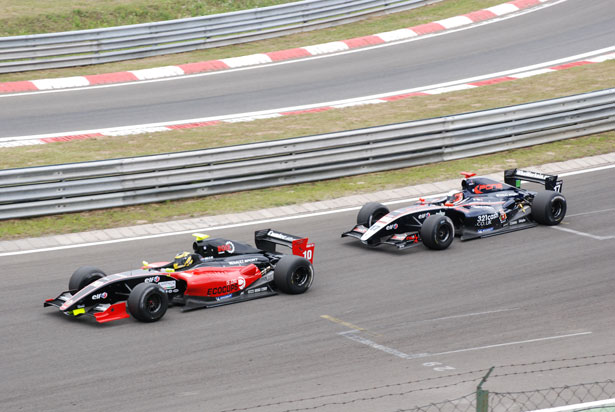
A: Did you see the crash in that car race yesterday? I heard that the driver was penalized for driving into his rival on purpose.

B: It looked like he did it on purpose, but I think he drove into him by accident. It was raining, so it was difficult for him to see in front of him.

A: No, he definitely did it on purpose! He is always crashing into his rivals!

Can you make a sentence using “on purpose” or “by accident”?